One topic that I’ve long had a fascination with is the history of skeptical and scientific thought. Human beings are naturally endowed with the ability to reason, but that reason is a far cry from a belief in a world governed by immutable natural laws. This is why I consider scientific education to be very important on a societal level; ignorance and fear combined with credulity can lead to devastating consequences: the bloody period of witch hunting in Europe resulted in somewhere between 40,000 and 100,000 executions, a colossal waste of life and perversion of justice. I’ve written before about the real human suffering these witch hunts inflicted. It is frightening to note that such times are not completely behind us.
In the midst of such times of ignorance and superstition, however, there are always shining pillars of skeptical and rational thought that beat back the darkness, at least temporarily. On such example is Reginald Scot (1538-1599), who took the incredibly bold step to not only defend accused witches against the charges laid before them, but to also prove once and for all that witchcraft does not exist! His views were presented in his book The Discoverie of Witchcraft (1584), a lengthy tome which chronicles the supposed powers of witches and provides devastating arguments against them:
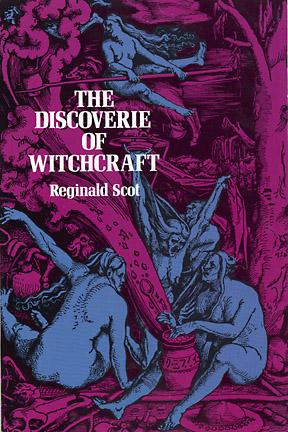
I’ve had this book in my collection for probably a decade, long before I was really interested in blogging or the history of science, but had not managed to get through it until now. It is an extremely difficult book to read, being written in archaic Early Modern English and using many words and phrases which are outdated and virtually unknown. I found it extremely rewarding, however, for its glimpses into the naturalistic thinking of the time, the utter absurdity of the witch hunter’s claims, and the wisdom and courage of its author. I dare say I even found it inspiring.
Continue reading →

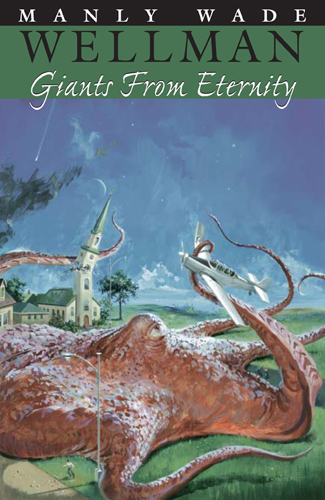
 The author of Skulls in the Stars is a professor of physics, specializing in optical science, at UNC Charlotte. The blog covers topics in physics and optics, the history of science, classic pulp fantasy and horror fiction, and the surprising intersections between these areas.
 Skulls in the Stars