Time to continue what has been the longest-running tradition on this blog: posting a collection of classic (freely available) horror stories for folks to read during the creepy season! The list of past posts is getting too long to share in full again, but you can search “Halloween Treats” on my blog to find past editions. The 2018 edition included a recap of some of my favorite stories through the years.
But let’s get to it!
The Eyes, Edith Wharton (1910). After a dinner party at Andrew Culwin’s home, the host is spurred by his friends to share a particular baffling ghost story that he had personally experienced. By the end of the tale, however, everyone present will learn the secret behind the supernatural manifestation.
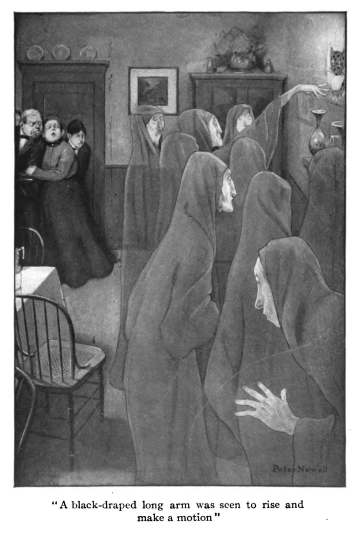
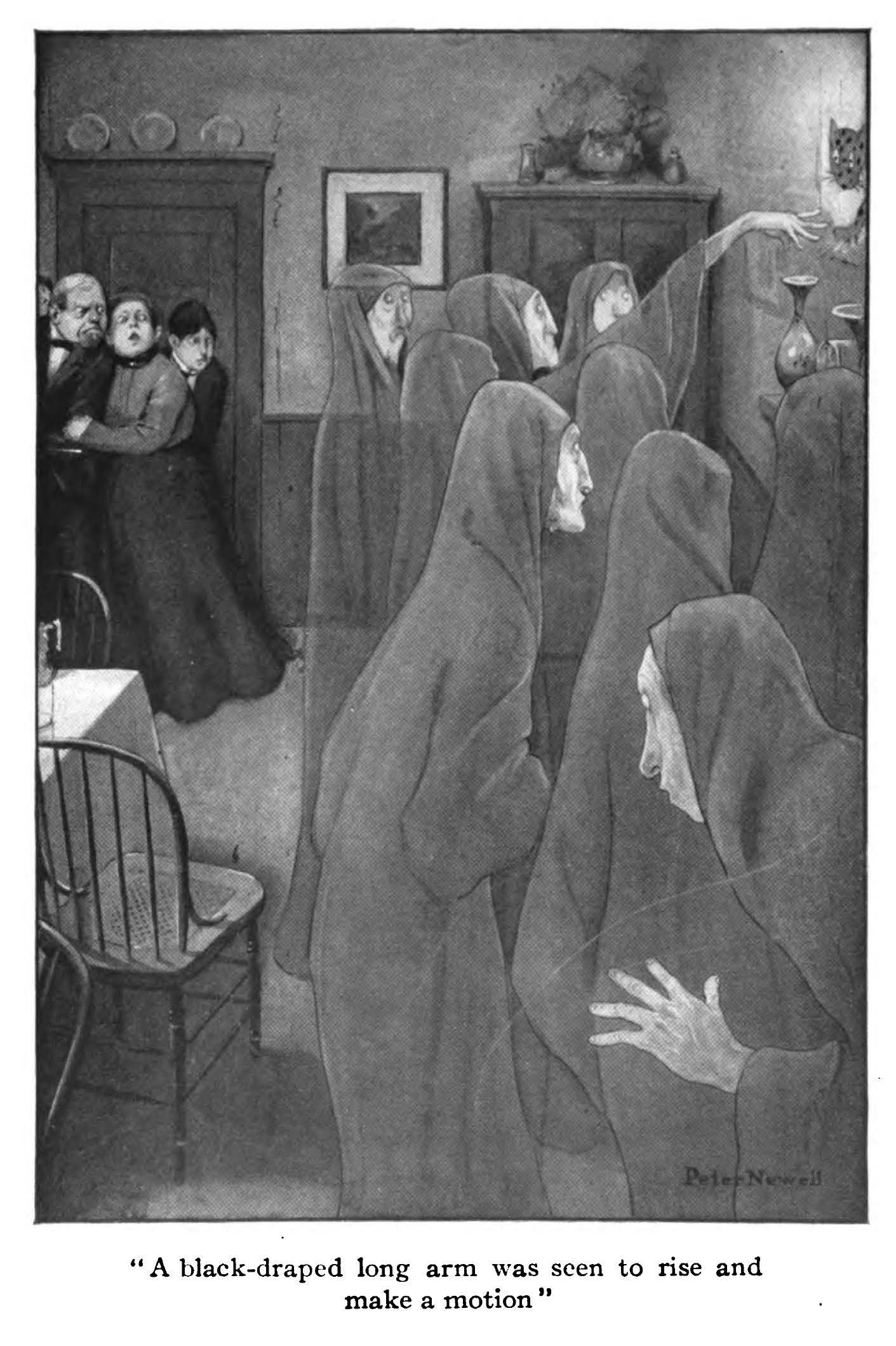
The Thing in the Hall, E.F. Benson (1912). Dr. Assheton specializes in studies of the brain, but has also indulged in spiritualism. When he basically “throws open the door” spiritually to himself and invites anything to come in, he ends up welcoming something that is evil… and definitely not human.
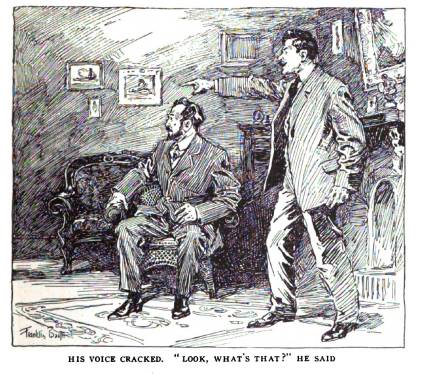
Eloi Eloi Lama Sabachthani, William Hope Hodgson (1919). A very religious chemist named Baumoff is convinced that the supernatural effects described as occurring during the crucifixion of Christ — like the darkening of the sky — have a scientific basis and can be reproduced. But when Baumoff decides to prove his theories to his friend, he goes far beyond acceptable science and the results are catastrophic.
The Stalls of Barchester Cathedral, M.R. James (1911). One of the lesser known tales by an undisputed master of the ghost story. An antiquarian comes across the curious obituary for the long-departed Archdeacon of Barchester Cathedral, and vows to learn more. Sometime later, he happens across the Archdeacon’s private diary and correspondence, which tell a tale of a haunting that seems to emanate from a desk with sinister carvings and a macabre history. There are several excellent twists to this tale, as well.
The Uncharted Isle, Clark Ashton Smith (1930). A man lost at sea finds himself refuge on a tropical isle far from where any isle should exist. And the more he explores, the more he realizes that this isle is something unnatural, and perhaps perilous. A poetic tale of horror by Smith.
The Vacant Lot, Mary E. Wilkins Freeman (1903). When the Townsend family gets a financial windfall, they decide to move to the city to improve their social fortunes. They purchase a beautiful house for a ridiculously low price, which seems like a good omen for their prospects. But there is something strange about the vacant lot next to the house, and soon disturbances spread from the lot to the house itself…
To conclude, let me suggest the most epic collection of creepypastas online: the SCP Foundation! The premise is that there exists a secret government agency tasked with collecting and restraining all sorts of dangerous supernatural objects and beings, and the SCP website is a collection of files describing these specimens, their history, and their containment procedures. The mundane bureaucratic nature of the documents adds to their horror, and many of them are incredibly good, though they range from funny, to cute, to stunningly disturbing. As a start, I recommend:
SCP-173: The Sculpture. The original story that got the whole thing started.
SCP-096: The Shy Guy. This one presents a level of horror and violence that I found awe-inspiring. How a simple supernatural rule can have unexpected and devastating consequences.
SCP-1733: Season Opener. A DVR of a sporting event evolves into horror as it appears that the people in the recording are aware of their circumstances.
SCP-087: The Stairwell. A university campus contains a stairwell that is apparently endless. Attempts to send people exploring it to its depths lead to terrifying discoveries.
That’s it for this year: Happy Halloween!






 Skulls in the Stars