
Here’s another blog post inspired, in part, by my work on my upcoming book on Falling Felines and Fundamental Physics!
When we discuss our ideal impressions of science, we often imagine repeatedly doing laboratory experiments in which every variable is controlled and the fundamental phenomenon is isolated from all others. However, in plenty of situations, especially involving biological specimens, such controlled experiments are impractical, impossible, or unethical.
For instance, as discussed in my upcoming book, there is a phenomenon known as “feline high-rise syndrome,” in which cats that fall from higher floors of a skyscraper are seemingly less injured than those falling from lower floors. Because — thankfully — nobody is deliberately throwing cats out of windows to study how they fall, veterinarians must rely on those accidental fallen cats that are brought in for treatment.
A similar issue arises for unusual injuries in humans, of course. A particular spectacular — and horrifying — opportunity arose to systematically study one of these in 1886, when an accidental explosion caught ten people in its concussive blast. Here was a grisly chance for an enterprising researcher to learn more about injuries to the ear that are caused by the sounds of artillery explosions.
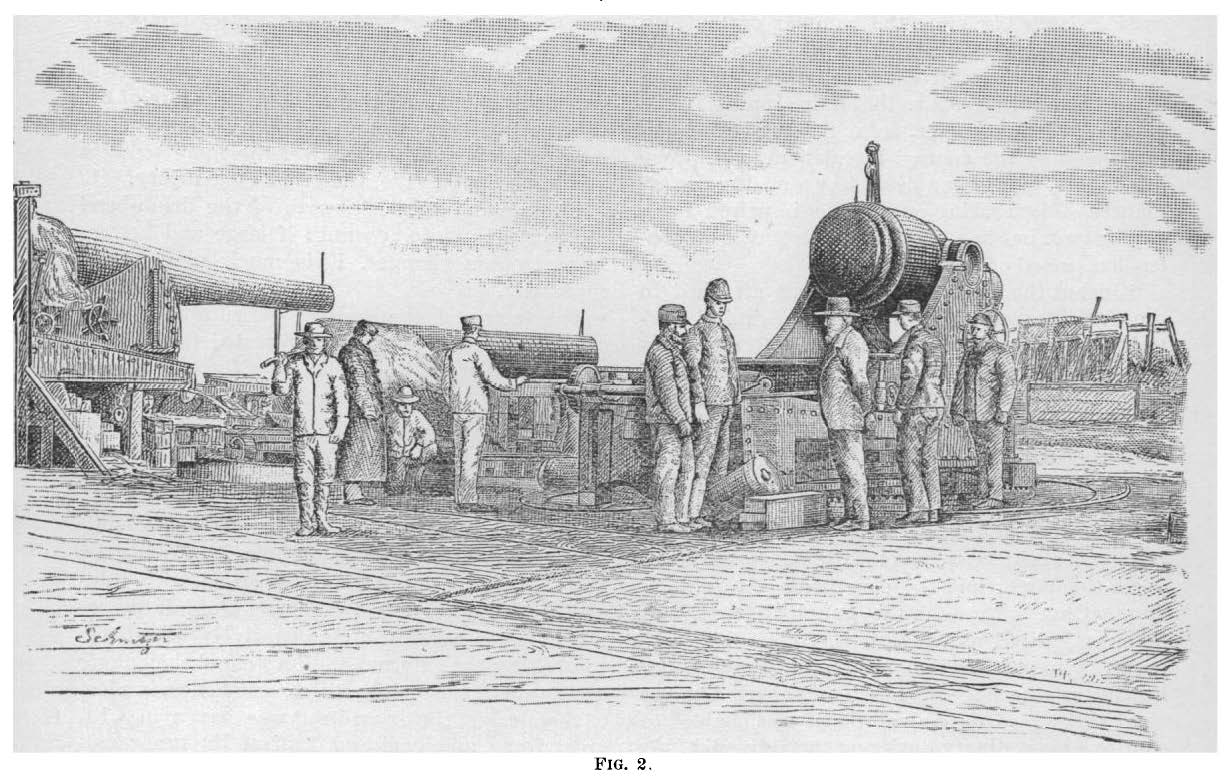
The arrangement of men at the U.S. Ordinance Proving Ground, Sandy Hook, October 21, 1886. From Sexton’s paper in Science.





 Skulls in the Stars