
Lovecraft’s essay Supernatural Horror in Literature is a great starting source for finding very good but relatively unknown horror gems. I’ve been slowly working my way through Lovecraft’s picks, and recently Leonard Cline’s The Dark Chamber (1927) caught my eye:
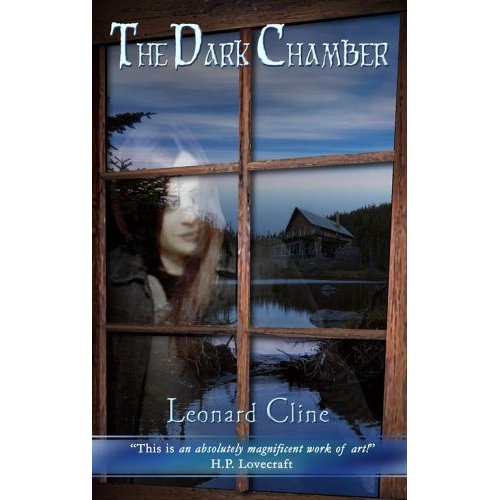
Lovecraft adored this novel! After working his way up the library waiting list to read it, he wrote ecstatically about it to Donald Wandrei on March 16, 1928:
My only reading since “Witch Wood” has been “The Dark Chamber” by Leonard Cline, & this is an absolutely magnificent work of art! Poetry — song — & the ultimate quintessence of atmospheric morbidity & horror. It rambles unfortunately in its effort to build up a dense miasma of unwholesomeness & madness, but even the divagations are authentic art. And the main stream is superb — the terrible quest of a scholar back through the corridors of memory, personal & ancestral. Ugh! The strange odour…. & that hellish hound Tod, that bays in the night…. Don’t miss it!
A good recommendation, eh? In a rare occurrence, however, I find myself somewhat in disagreement with Lovecraft. I enjoyed The Dark Chamber, but found it fell short of my expectations.





 Skulls in the Stars