
Book 5 of my 26 books for 2024 goal! Still behind in my reading, but have another that I will finish within a few days.
It doesn’t take me very long to read anything new by Ramsey Campbell — assuming I am aware that something has been released! As longtime readers of this blog are probably aware, Campbell is my favorite horror author, and one who in my opinion really demonstrates the literary potentials of horror. His writing is precise and subtle, and he is a master at conveying a mood with a careful choice of words.
So when I saw Fearful Implications, his latest compilation of short stories, had been released in 2023, it didn’t take me long to get it.
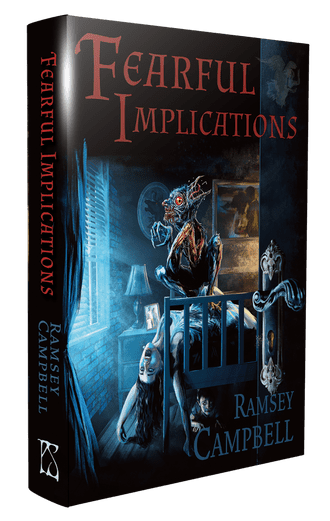
Before I talk about the stories, let me give a shoutout to the cover art by Ilan Sheady, which is clearly an homage to Henry Fuseli’s famous 1781 painting The Nightmare!

This is particularly apropos, because one of the stories in the collection is about fears of inadvertently copying the works of others! (Incidentally, read the linked Wikipedia article about The Nightmare, which may have inspired in turn some of the greatest writers of horror in history.)
Continue reading







 Skulls in the Stars